
 Español
 Portugues
 Pусский
 العربية
Cable Tray Aluminum Alloy
Aluminum Alloy Cable Trays: A Comprehensive Overview Aluminum alloy cable trays are widely used in electrical and data cable management systems due to their lightweight, corrosion resistance, and durability. These trays provide an efficient and safe solution for organizing, supporting, and protecting cables in commercial, industrial, and infrastructure applications. Material Properties Aluminum alloy cable trays are primarily made from high-grade aluminum, often combined with magnesium, silicon, or other elements to enhance strength and performance. Key advantages include: - Lightweight: Aluminum is significantly lighter than steel, reducing structural load and simplifying installation. - Corrosion Resistance: Unlike steel, aluminum naturally forms an oxide layer that protects against rust and environmental degradation, making it ideal for harsh or outdoor environments. - High Strength-to-Weight Ratio: Aluminum alloys maintain structural integrity while remaining easy to handle. - Non-Magnetic & Non-Sparking: Suitable for sensitive environments like data centers and hazardous areas. Design and Types Aluminum cable trays come in various designs to accommodate different installation needs: - Ladder-Type: Features side rails with rungs, providing excellent ventilation and support for heavy cables. - Solid Bottom (Trough-Type): Offers full enclosure for cables, protecting them from dust and debris. - Wire Mesh (Basket-Type): Flexible and open design, ideal for lightweight or frequently reconfigured cabling. - Channel-Type: A single-rail design for smaller cable runs or direct mounting. Applications Aluminum alloy cable trays are used in: - Industrial Plants: Resistant to chemicals and moisture in manufacturing facilities. - Data Centers: Excellent heat dissipation and electromagnetic interference (EMI) shielding. - Outdoor Installations: Withstands UV exposure and extreme weather conditions. - Telecommunications: Supports fiber optic and high-voltage power cables. Installation and Maintenance Installation is straightforward due to the material’s lightweight nature. Prefabricated connectors and accessories ensure quick assembly. Maintenance is minimal, as aluminum does not require painting or anti-corrosion treatments. Sustainability Aluminum is 100% recyclable, making it an eco-friendly choice. Its long lifespan reduces replacement frequency, contributing to lower lifecycle costs. Conclusion Aluminum alloy cable trays offer a superior combination of strength, durability, and ease of installation. Their resistance to corrosion and environmental factors makes them a preferred choice for modern cable management systems across industries. Whether for power distribution, data transmission, or industrial applications, aluminum cable trays provide a reliable and cost-effective solution.
Products
Category:
-
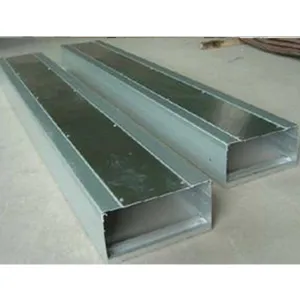
Aluminum Alloy Cable Tray
Category: Aluminum Alloy Cable TrayBrowse number: 39Number:Release time: 2025-11-23 22:51:45Daily Maintenance Regular Maintenance: Generally, maintenance can be performed once a quarter. After wiping off dust and marks on the surface with a soft cloth, evenly apply a special polishing wax to the surface. After a while, buff it to a shine with a clean soft cloth to prevent moisture damage. For hardware accessories and metal handles, wipe them with a small amount of machine oil and let them dry to ensure smooth operation, rust resistance, and oxidation resistance. -
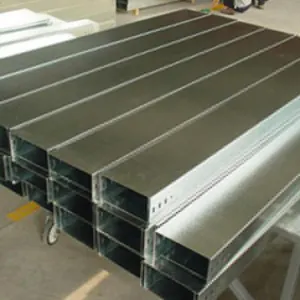
Aluminum Alloy Cable Tray
Category: Aluminum Alloy Cable TrayBrowse number: 34Number:Release time: 2025-11-23 22:54:06Introduction to Aluminum Alloy Cable Trays Aluminum alloy cable trays are heavy-duty steel components. To adapt to various natural environments and ensure a long service life, extensive work can be done on the surface treatment of aluminum alloy cable trays. Cable tray supports include vertical poles, support arms, or continuous supports, along with frame spacing, installation methods, specifications, and design elevations. Regarding cable outlet points and routing methods, aluminum alloy cable trays should be installed 2 meters above the ground; the distance from the top of the tray to canopies or other obstacles shall not be less than 0.3 meters, the total width of the tray shall not be less than 0.1 meters, and the filling rate of the cross-sectional area inside the tray shall not exceed 50%.
News
Category:
No search results found!
Case
Category:
No search results found!
Video
Category:
No search results found!
Download
Category:
No search results found!
Job
Category:
No search results found!
Featured Products
No search results found!



 WhatsApp
 Phone
Phone E-mail