
When it is necessary to shield the cable network from electrical interference or external influences, channel-type composite anti-corrosion shielded cable trays should be selected. In strong corrosive environments, composite epoxy resin anti-corrosion and flame-retardant cable trays shall be used. Supports and brackets should be made of the same material to extend the service life of the trays, accessories, and the entire cable tray system. It is recommended to install cover plates in dusty environments, outdoor areas, or other locations requiring protection.
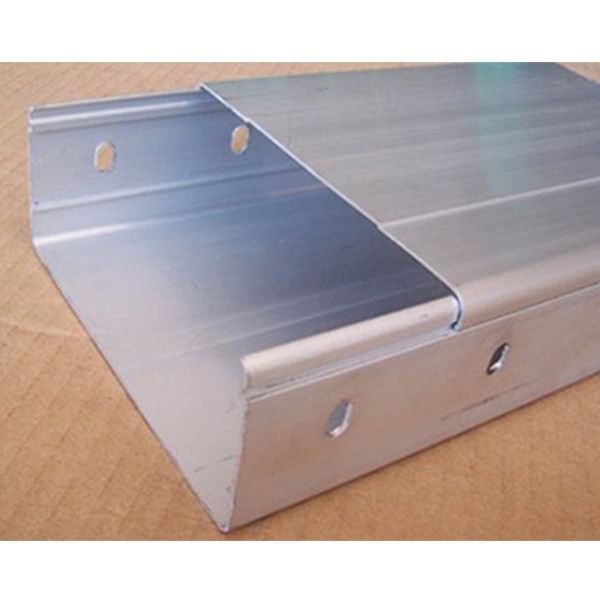
In addition to the above conditions, tray-type, channel-type, ladder-type, FRP anti-corrosion and flame-retardant cable trays, or standard trays can be selected based on on-site environmental conditions and technical requirements. (Note: Cover plates are still recommended for dusty or outdoor applications requiring protection.)
In public passages or outdoor crossing sections, the bottom of ladder-type trays should be padded, or tray-type trays should be used for such sections. When spanning public passages with long spans, the load-bearing capacity of the tray can be enhanced according to user requirements, or walkway-type trays can be selected.
The fire protection design of metal tray-type cable trays is mainly to prevent the spread of fire between cables, which could lead to large-scale fires. It also prevents external fire sources from igniting cables and spreading on the same layer, effectively confining the fire to a small area.
Do You Know the Design Standards for Cable Trays?
The fire protection design of cable trays mainly includes the following methods:
Seal Cable Wall Penetrations with Fireproof MaterialsBlock all cable wall penetration holes using fireproof materials to prevent the spread of fire through gaps.
Separate Different Types of CablesLay different categories of cables separately during installation, arranging them in three layers from top to bottom: high-voltage cable layer, power cable layer, and control cable layer.
Install Firewalls and Fire Doors
Install fire doors between the main corridor and branches.
Add a fire protection section every 100 meters in the main corridor.
Install a firewall every 60 meters for steel cable trays.
These fire doors and firewalls are composed of fireproof packs, fireproof partitions, and inorganic fireproof materials.
Interlayer Fire IsolationEnhance fire resistance and prevent interlayer fire spread by:
Installing fireproof covers made of fireproof materials on steel cable tray layers.
Adding a fireproof plate every three layers.
Combining these four methods will achieve excellent fire protection results.
This website uses cookies to ensure you get the best experience on our website.

 Español
 Portugues
 Pусский
 العربية



 WhatsApp
 Phone
Phone E-mail
Comment
(0)