
 Español
 Portugues
 Pусский
 العربية
Cable Tray Hot-Dip Galvanized
Hot-Dip Galvanized Cable Trays: A Comprehensive Overview Hot-dip galvanized cable trays are widely used in electrical and data cable management systems due to their superior durability, corrosion resistance, and cost-effectiveness. These trays provide a robust and reliable solution for organizing, supporting, and protecting cables in industrial, commercial, and infrastructure applications. The hot-dip galvanizing process ensures long-term performance, even in harsh environments, making them a preferred choice for engineers and contractors. 1. Manufacturing Process Hot-dip galvanizing involves immersing fabricated steel cable trays into a bath of molten zinc at temperatures around 450°C (842°F). This process creates a metallurgical bond between the zinc and steel, forming multiple protective layers: - Pure Zinc Layer: The outermost layer provides excellent corrosion resistance. - Zinc-Iron Alloy Layers: These intermediate layers enhance adhesion and durability. - Steel Substrate: The base material retains structural strength. The result is a uniform, abrasion-resistant coating that protects the tray from rust, moisture, chemicals, and mechanical damage. 2. Key Advantages Corrosion Resistance The zinc coating acts as a sacrificial barrier, preventing oxidation and extending the tray's lifespan—often exceeding 30 years in moderate environments. Even if the coating is scratched, zinc’s self-healing properties protect the exposed steel. Mechanical Strength Hot-dip galvanized trays maintain high load-bearing capacity, making them suitable for heavy-duty applications. They resist deformation under stress, ensuring long-term cable support. Low Maintenance Unlike painted or powder-coated alternatives, galvanized trays require minimal upkeep. The zinc layer does not peel or chip, reducing lifecycle costs. Fire Resistance Zinc does not burn, adding an extra layer of fire safety compared to plastic or non-galvanized metal trays. 3. Applications Hot-dip galvanized cable trays are ideal for: - Industrial Plants: Resistant to chemicals, humidity, and high temperatures. - Outdoor Installations: Withstands UV exposure, rain, and snow. - Marine & Coastal Areas: Protects against saltwater corrosion. - Power & Data Centers: Ensures reliable cable management in critical infrastructure. 4. Environmental Benefits Zinc is a natural, recyclable material, making galvanized trays an eco-friendly choice. The long service life also reduces material waste. Conclusion Hot-dip galvanized cable trays offer unmatched durability, corrosion resistance, and cost efficiency, making them a staple in modern cable management systems. Their ability to perform in demanding conditions ensures safe and organized cable routing across various industries. Whether for industrial facilities, outdoor projects, or data centers, these trays provide a reliable, long-lasting solution.
Products
Category:
-
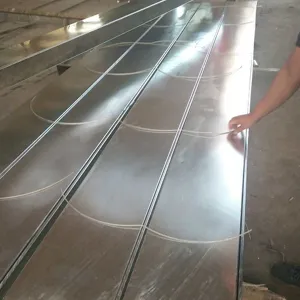
Hot-Dip Galvanized Cable Tray
Category: Hot-Dip Galvanized (HDG) Cable TrayBrowse number: 36Number:Release time: 2025-11-23 23:59:07Material Selection for Cable Tray Systems in Corrosive or Outdoor Environments When designing cable tray systems for corrosive or outdoor environments, material selection is a critical decision. Hot-dip galvanized (HDG) cable trays have been successfully used for many years. However, aluminum is increasingly becoming the preferred material for cable tray systems. In today’s era of shrinking construction budgets, why do engineers, contractors, and end-users choose aluminum cable trays—even though their initial cost is typically higher than that of hot-dip galvanized steel cable trays? The answer lies in aluminum’s advantages in design, installation, delivery, performance, and total cost of ownership (TCO) over the installation lifecycle. -
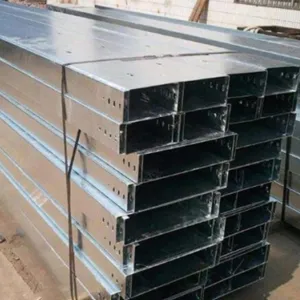
Hot-Dip Galvanized Cable Tray
Category: Hot-Dip Galvanized (HDG) Cable TrayBrowse number: 38Number:Release time: 2025-11-24 00:01:25Cable Tray Arrangement & Installation Specifications Cable trays shall be arranged from top to bottom as follows: Computer Cable Trays, Shielded Cable Trays, Master Control Cable Trays, Low-Voltage Power & Lighting Cable Trays, and High-Voltage Cable Trays. If two cables of different purposes need to be placed in the same tray, an intermediate partition shall be installed to separate them, and the tray shall be covered with a plate.
News
Category:
No search results found!
Case
Category:
No search results found!
Video
Category:
No search results found!
Download
Category:
No search results found!
Job
Category:
No search results found!
Featured Products
No search results found!



 WhatsApp
 Phone
Phone E-mail