
 Español
 Portugues
 Pусский
 العربية
Cable tray galvanized
Galvanized Cable Trays: An Overview Galvanized cable trays are essential components in cable management systems, widely used in industrial, commercial, and infrastructure projects to support and organize electrical cables, data cables, and other wiring. These trays are made from steel or other metals and coated with a layer of zinc through the galvanization process, which enhances their durability, corrosion resistance, and longevity. Types of Galvanized Cable Trays 1. Ladder-Type Cable Trays: Featuring a ladder-like structure with side rails and rungs, these trays provide excellent ventilation and are ideal for heavy-duty applications. 2. Perforated Cable Trays: These have holes along the base and sides, allowing better airflow and cable heat dissipation while maintaining structural strength. 3. Solid-Bottom Cable Trays: Designed for environments where cables need extra protection from dust, moisture, or mechanical damage. 4. Wire Mesh Cable Trays: Lightweight and flexible, these are often used in data centers and telecommunications installations. Benefits of Galvanized Cable Trays - Corrosion Resistance: The zinc coating protects the steel from rust and oxidation, making them suitable for harsh environments, including outdoor and high-humidity areas. - Durability: Galvanization significantly extends the tray’s lifespan, reducing maintenance costs. - Cost-Effectiveness: Compared to stainless steel or aluminum alternatives, galvanized trays offer a balance of affordability and performance. - Easy Installation: Lightweight yet sturdy, they can be easily cut, bent, or modified on-site to fit specific layouts. - Fire Resistance: Steel construction provides inherent fire resistance, enhancing safety in electrical installations. Applications Galvanized cable trays are commonly used in: - Power plants and substations - Industrial facilities (manufacturing plants, refineries) - Commercial buildings (offices, hospitals, airports) - Transportation infrastructure (tunnels, bridges, railways) - Data centers and telecommunication networks Installation Considerations Proper installation ensures optimal performance. Key factors include: - Load Capacity: Selecting the right tray size and thickness based on cable weight. - Support Spacing: Adequate brackets or hangers must be installed to prevent sagging. - Environmental Conditions: Additional coatings or materials may be needed for extreme conditions (e.g., chemical exposure). Conclusion Galvanized cable trays are a reliable, economical solution for cable management, offering strength, corrosion resistance, and versatility. Their widespread use across industries underscores their importance in modern infrastructure, ensuring safe and efficient cable routing in diverse environments.
Products
Category:
-

Galvanized cable tray
Category: Long-Span Cable TrayBrowse number: 35Number:Release time: 2025-11-22 03:32:24Due to the short circuit of the high-temperature fan outside the cable, short circuits occurred in all parts of the cable. Generally, this is caused by poor cable quality due to wind exposure, resulting in severe damage to the cable at the defective points; however, obvious traces will still remain. Once a short circuit occurs in the cable tray, the entire cable may be burned out, and the slack of the cable at the defective point is slight. -
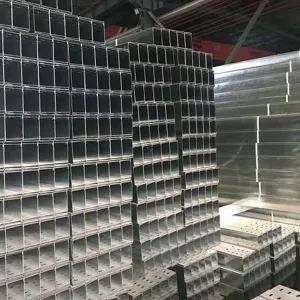
Galvanized cable tray
Category: Long-Span Cable TrayBrowse number: 30Number:Release time: 2025-11-22 03:35:59Install a set of tensioning devices under the cable tray. The galvanized cable tray forms an arch under the tension of the tensioning tendons. This generates compression on the lower cover plate of the tray and tension on the upper cover plate. This force is opposite to the stress caused by external loads, offsetting part of the working force and improving the stress state of the tray. Therefore, the prestressing method aims to reinforce the tray and correct deflection. It is simple and easy to control, but has limitations: electric ball valves are not easy to calibrate, and the tray deformation is complex.

News
Category:
No search results found!
Case
Category:
No search results found!
Video
Category:
No search results found!
Download
Category:
No search results found!
Job
Category:
No search results found!
Featured Products
No search results found!



 WhatsApp
 Phone
Phone E-mail